
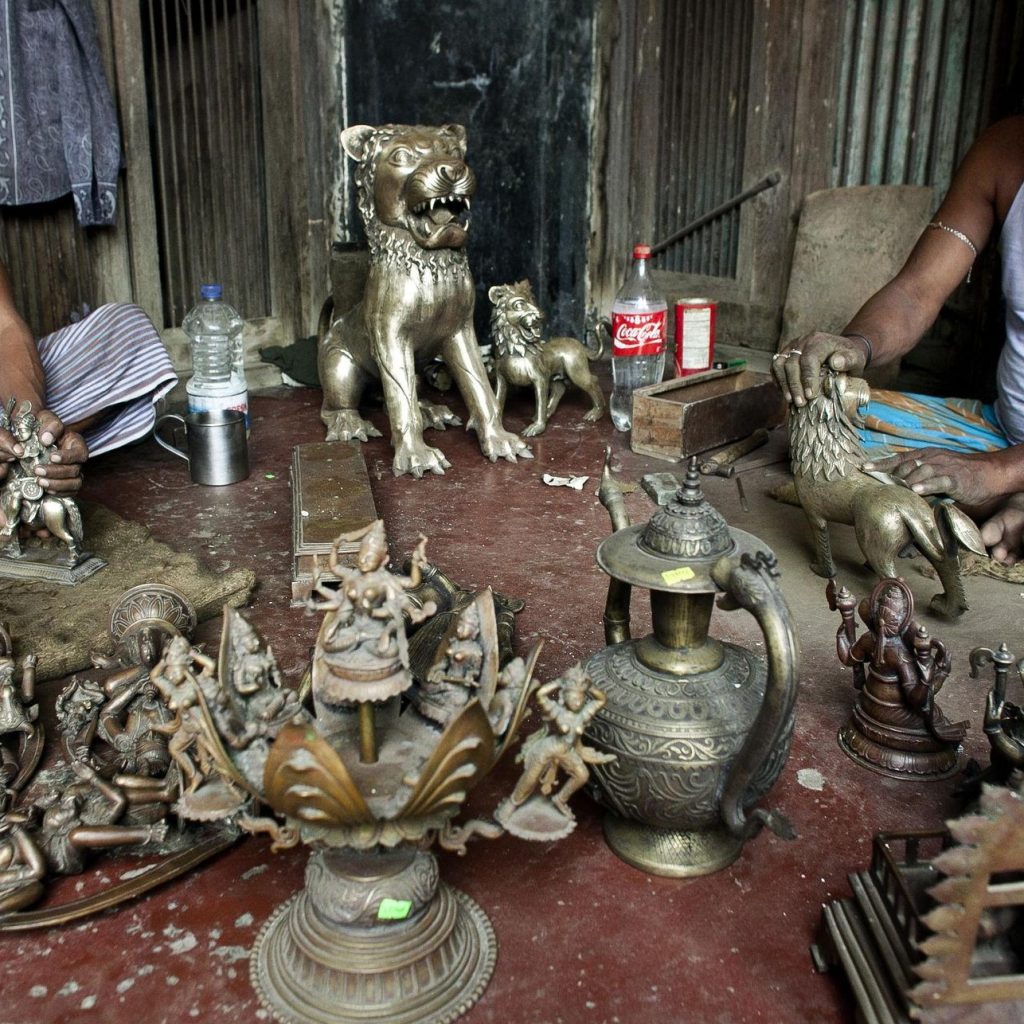
The Echo of Molten Gold: A Journey Through Dhamrai’s Metal Village
The Hidden Heart of Bengal’s Heritage
In an era of mass-produced plastic and 3D-printed titanium, there exists a corner of Bangladesh where time has stood still for over two millennia. Dhamrai, a serene township on the outskirts of Dhaka, holds the secrets of an ancient alchemy. The Dhamrai Metal Craft Village is not merely an “industry”; it is a cultural heartbeat, echoing the artistic brilliance of the Pala and Gupta dynasties. For the traveler seeking more than a standard sightseeing tour, Dhamrai offers a deep dive into the soul of Bengali craftsmanship, especially within the renowned Dhamrai Metal Craft Village.
The Legacy of the Banik Family
Discover the Artistry of Dhamrai Metal Craft Village
The Unique Offerings of Dhamrai Metal Craft Village
At the center of this revival is the Banik family, specifically Sukanta Banik, whose ancestors have practiced metal casting for over 200 years. In the 1950s, more than 30 villages in this region were dedicated to brass and bell metal work. Today, that number has dwindled significantly, making a visit to the remaining workshops a rare and urgent experience. The artisans here are the last guardians of a tradition that once exported masterpieces across the Silk Road.
The Dhamrai Metal Craft Village is a living museum, showcasing traditional techniques that are increasingly rare in the modern world.
Visitors to Dhamrai Metal Craft Village can witness the artistry that has been passed down through generations, making each piece a testament to the village’s rich heritage.
The Magic of the “Lost-Wax” Process
The highlight of any visit is witnessing the Cire Perdue, or Lost-Wax technique. It is a labor of love that requires immense patience and precision:
The experience at Dhamrai Metal Craft Village allows visitors to engage with artisans and understand the intricate processes involved in metal crafting.
-
Wax Sculpting: Artisans hand-carve a replica of the desired object—be it a dancing Nataraja or a simple oil lamp—using a special mixture of beeswax and resin.
-
The Clay Shell: The wax model is coated in multiple layers of local clay, reinforced with husks and wire.
-
The Sacrifice: The mold is heated in a furnace. The wax melts and “gets lost,” leaving behind a perfect hollow negative of the art.
-
The Pour: Molten bronze or brass (heated to over 1,000°C) is poured into the clay mold.
-
The Reveal: Once cooled, the clay is smashed—meaning every single piece created here is a unique original; the mold can never be reused.
Best Experiences for Tourists
Why Visit Dhamrai Metal Craft Village?
When visiting Dhamrai, don’t miss:
Dhamrai Metal Craft Village is worth visiting for its unique cultural offerings and the chance to purchase authentic handcrafted items that reflect Bangladesh’s rich history.
- Watching artisans cast molten metal
- Exploring local workshops
- Photographing traditional production scenes
- Purchasing handcrafted brass products
This is especially attractive for:
- Cultural travelers
- Documentary photographers
- Experience-based tourists
Beyond Metal: A Cultural Tapestry
Dhamrai is famous for more than just its copper. While walking the narrow lanes, you will find:
-
Dhamrai Jagannath Roth: One of the largest wooden chariots in the world, used during the annual Rath Jatra festival.
Moreover, the Dhamrai Metal Craft Village plays a vital role in preserving the artistic traditions that define the region’s heritage.
-
Pottery Villages: Nearby areas like Kakran are famous for traditional clay pottery, offering a complete look at the “earth and fire” crafts of Bangladesh.
-
Architectural Gems: Ancient Hindu temples and old “Zamindar” (landlord) mansions dot the landscape, offering stunning photography opportunities.
Industrial Tourism: A New Frontier
“Industrial Tourism” usually brings to mind heavy machinery and steel mills. However, Dhamrai redefines the term. It is an organic industry where the factory floor is a courtyard, and the machinery is a pair of skilled hands. This form of tourism is vital. By visiting, buying a small brass statue, or sharing photos on social media, travelers provide the financial and moral support needed to prevent this 2,000-year-old art from vanishing.
Travel Tips for the Modern Explorer
-
How to Get There: Take a bus from Dhaka’s Asad Gate or Gabtoli heading toward Dhamrai/Aricha. Get off at the Dhulivita bus stop, then take a short rickshaw ride to the “Metal Craft” area or Dhamrai Bazar.
When planning your trip, include Dhamrai Metal Craft Village in your itinerary to fully experience the artistic landscape of Bangladesh.
-
What to Buy: Look for “Kansa” (bell metal) plates—traditionally believed to have health benefits—or intricate “Radha-Krishna” idols that showcase the peak of the lost-wax method.
-
Etiquette: Always ask for permission before taking close-up photos of artisans at work. While they are incredibly friendly, these are active work environments.
How to Include Dhamrai in Your Travel Plan
You can combine Dhamrai with:
- Dhaka city tour
- Sonargaon heritage tour
- Village cultural experiences
This creates a full-day cultural itinerary
Dhamrai is more than a destination; it is a bridge between the ancient world and the modern day. To stand in a workshop and watch a glowing stream of molten copper fill a clay mold is to witness a human story that has survived wars, partitions, and the industrial revolution. For the traveler in Bangladesh, it is a “hidden cultural experience” that truly lives up to the name.
Dhaka City Tours: The Pulse of the Megacity
At Trip Tour Bangladesh, our city tours are designed to help you navigate the beautiful chaos of Dhaka with ease. We specialize in “Old vs. New” narratives that showcase how a 400-year-old Mughal capital transformed into a 22-million-strong megacity.
-
Heritage Walk: Step into the narrow, spice-scented alleys of Shankharia Bazar and visit the iconic Lalbagh Fort and Ahsan Manzil (Pink Palace).
-
The Buriganga Experience: Witness the spectacular organized mayhem of Sadarghat River Port from a traditional wooden rowing boat.
-
Modern Marvels: Explore the architectural genius of Louis Kahn at the National Parliament House and the state-of-the-art Military Museum.
-
Trip Tour Exclusive: Our “Rickshaw-Foodie” tours, where we take you to the best-hidden Biryani spots in Old Dhaka that only locals know.
Popular Tour Packages Bangladesh 2026
We have updated our 2026 portfolio to prioritize sustainable, eco-friendly, and high-depth cultural experiences, Visit our tour packages.
| Package Name | Duration | Why Choose This? |
| The Royal Mangrove Safari | 4 Days | A deep-forest cruise into the Sundarbans to track the Royal Bengal Tiger and visit the historic 60-Dome Mosque. |
| Tea Capital Serenity | 3 Days | Private bungalows in Srimangal, sunrise treks in Lawachara Rainforest, and Seven-Layer Tea tastings. |
| Archaeological Trail | 5 Days | A journey to North Bengal to see the UNESCO-listed Paharpur Buddhist Vihara and the terracotta temples of Puthia. |
| Coastal Escape | 4 Days | Luxury stays in Cox’s Bazar (the world’s longest beach) and marine expeditions to the coral reefs of Saint Martin’s. |
| The Metal & Silk Trail | Full Day | A curated trip to Dhamrai Metal Craft Village and the Jamdani Weaving villages of Sonargaon. |
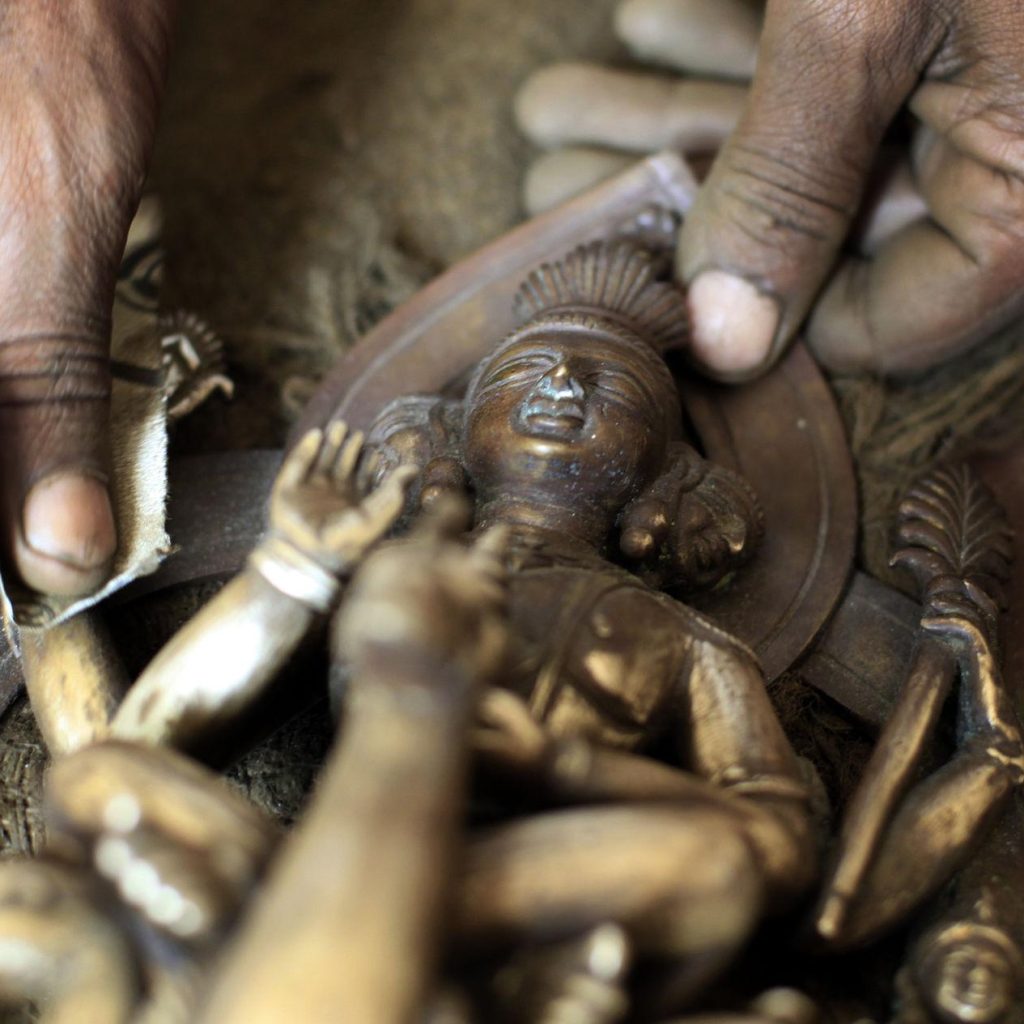
Dhamrai Metal Craft Village: A Cultural Highlight
Why Choose Trip Tour Bangladesh?
In a market full of automated platforms, we believe in the Human Touch.
-
Expert Guides: Our English-speaking guides aren’t just narrators; they are storytellers who bridge the gap between you and the local culture.
-
Safety & Comfort: In 2026, we continue to provide top-tier, air-conditioned transport with “Window Seat” guarantees, ensuring you aren’t squeezed into the middle during Dhaka’s traffic.
-
Tailor-Made Itineraries: Unlike “one-size-fits-all” packages, we specialize in customizing trips to fit your specific interests—whether it’s bird watching, industrial photography, or spiritual pilgrimages.
-
Trusted Reputation: As a leading local operator, we pride ourselves on transparency, safety, and a 98% positive feedback rate from international travelers.
Experience the Soul of Bangladesh with Us
Are you ready to explore the hidden gems of 2026? From the mist-covered hills of Sylhet to the ancient hammers of Dhamrai, Trip Tour Bangladesh is here to make your journey seamless.
FAQ (Frequently Asked Questions):
Q:What makes Dhamrai Metal Craft Village special?
It is located in the Dhamrai Upazila of Dhaka District, approximately 35–40 km from Dhaka city.
Dhamrai Metal Craft Village is unique because it combines history, artistry, and the opportunity to witness traditional techniques still in use today.
Q: What is the copper industry of Bangladesh?
Bangladesh’s copper industry mainly involves importing raw copper and using it in manufacturing and traditional craftsmanship.
Q: Where can I see copper craftsmanship in Bangladesh?
The best place is Dhamrai, near Dhaka.
Q: Is Dhamrai suitable for tourists?
Yes, it is a great destination for cultural tourism, photography, and day trips.
Make sure to visit Dhamrai Metal Craft Village for an unforgettable experience of Bangladesh’s rich cultural tapestry.
Q: Can I visit artisan workshops in Dhamrai?
Yes, visitors can explore workshops and observe artisans at work.
Q: What can I buy from Dhamrai?
You can purchase handmade brass and copper items such as décor, utensils, and statues.
Shopping at Dhamrai Metal Craft Village guarantees you authentic items representing traditional craftsmanship.