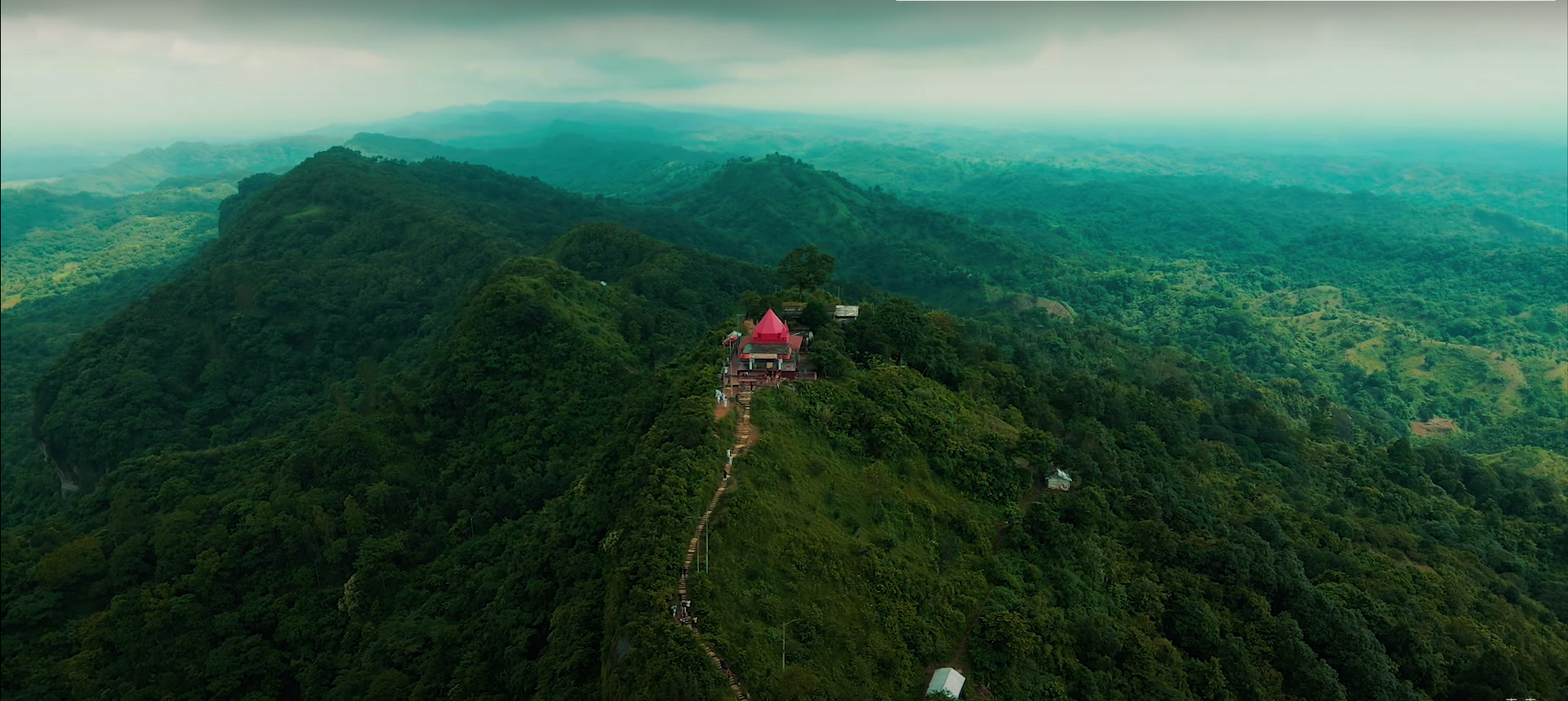
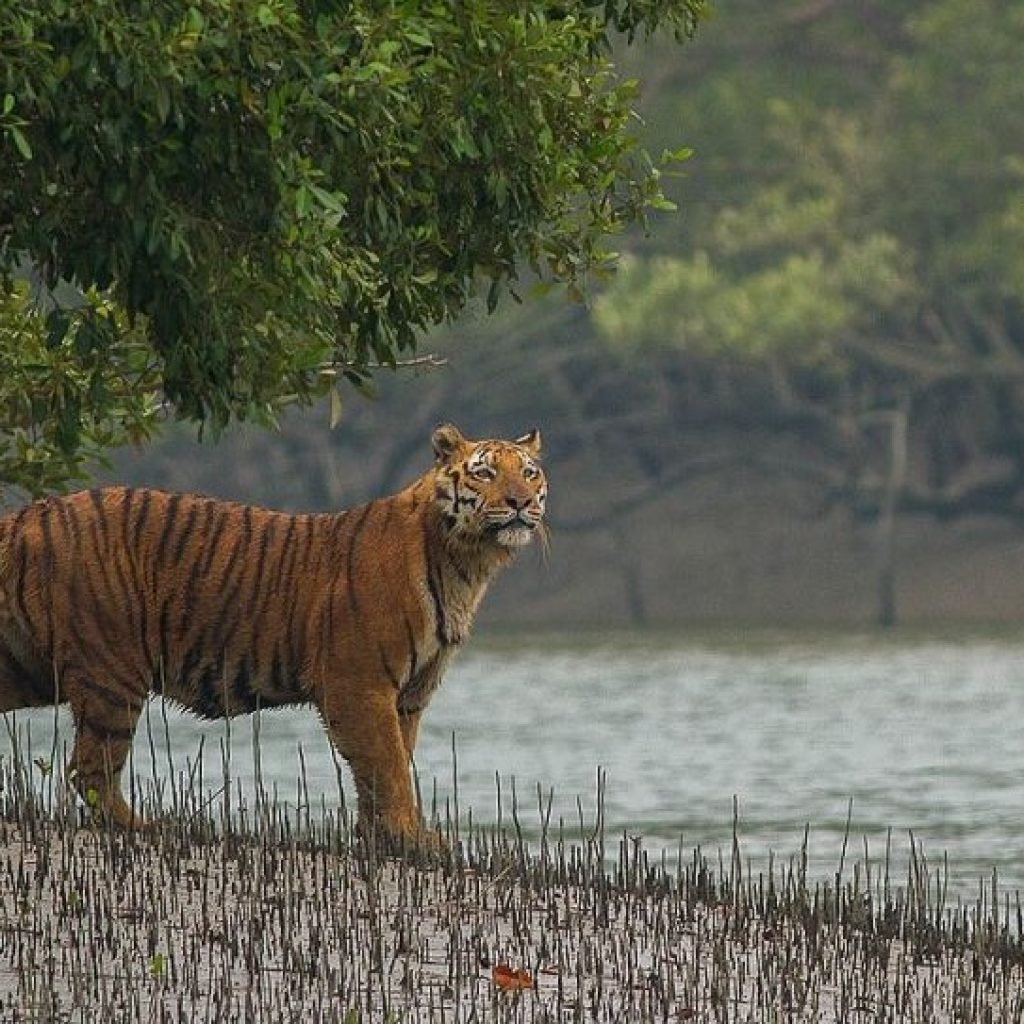
A Bangladesh wildlife tour offers an immersive journey through the world’s largest mangrove forest, the Sundarbans, and the lush rainforests of Lawachara. Ideal for nature enthusiasts and photographers, these tours focus on the Royal Bengal Tiger, rare Hoolock Gibbons, and over 450 species of birds. The best time to visit is from October to March for optimal wildlife sightings and pleasant weather.
| Feature | Details |
| Location | Sundarbans (Southwest), Sreemangal (Northeast), Tanguar Haor (North) |
| Best Time to Visit | October to March (Winter) |
| Recommended Duration | 7 to 12 Days |
| Ideal For | Wildlife Photographers, Eco-travelers, Birdwatchers, Adventurers |
| Transportation | Private AC Vehicle, Domestic Flights, Luxury Houseboats |
| Tour Style | Guided Eco-Safari, Riverine Cruises, Cultural Immersion |
| Budget Range | Moderate to Premium |
| Photography | Excellent (Macro, Landscape, Avian, and Apex Predators) |
Introduction: Into the Verdant Heart of the Delta
Beyond the bustling rhythm of Dhaka lies a world of silent emerald channels and ancient, mist-covered rainforests. Bangladesh is not just a country; it is a sprawling, living pulse of nature. A Bangladesh wildlife tour is an invitation to witness one of the most biodiverse regions on the planet—the Ganges-Brahmaputra Delta.
For the discerning international traveler, this isn’t a typical “window-seat” safari. It is an experiential odyssey. Whether you are tracking the pugmarks of a Royal Bengal Tiger in the saline mudflats of the Sundarbans or waking up to the haunting, melodic calls of the Western Hoolock Gibbon in Sreemangal, Bangladesh offers a raw, authentic connection to the wild that few other destinations can replicate.
Why Visit This Destination?
Bangladesh remains one of the world’s last frontiers for genuine eco tourism. Unlike the crowded parks of East Africa or neighboring India, the wildlife sanctuaries here offer a sense of profound solitude.
-
The Sundarbans: A UNESCO World Heritage site and the largest mangrove forest on Earth. It is the only place where tigers have adapted to a semi-aquatic lifestyle.
-
Avian Paradise: With over 650 recorded bird species, including the critically endangered Baer’s Pochard, the country is a premier destination for a Bangladesh photography tour.
-
The Gibbon’s Canopy: Lawachara National Park provides one of the best chances in Asia to see the Western Hoolock Gibbon, the only ape species found in the country.
Local Culture and Experience: The Human-Wildlife Harmony
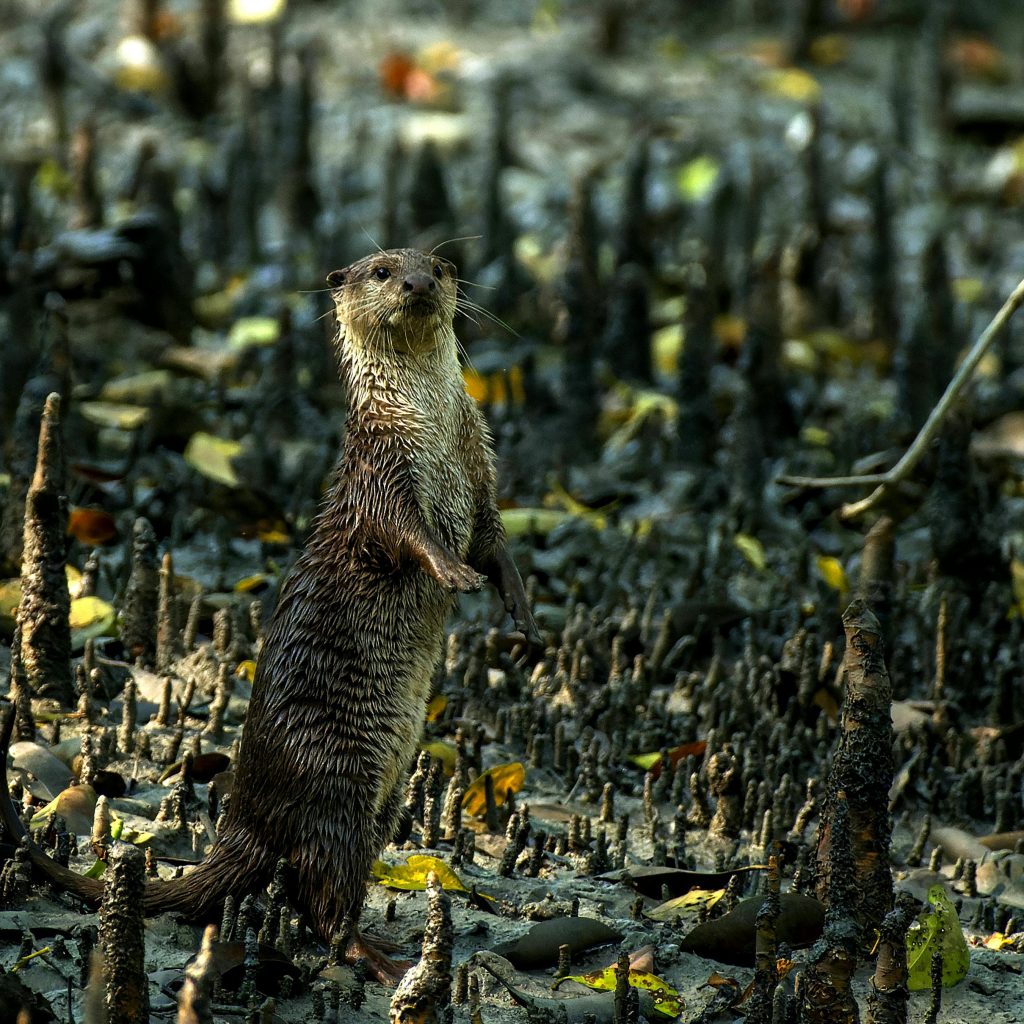
One cannot separate Bangladesh’s wildlife from its people. The river culture is the lifeblood of this nation. During your tour, you will encounter the “Mowals” (honey collectors) and the “Otter Fishermen” of Narail—a rare 200-year-old tradition where trained otters help fishermen drive fish into nets.
Bengali culture is defined by “Atithi Devo Bhava” (The Guest is God). In the tea-growing region of Sreemangal, you’ll share a cup of “Seven-Layer Tea” with the indigenous Manipuri and Khasi tribes. Their traditional lifestyles, deeply intertwined with the forest’s preservation, offer a masterclass in sustainable living. The food—spicy fish curries, smoked lentils, and fresh tropical fruits—provides a sensory backdrop to your wild adventures.
Suggested Itinerary: The Grand Wildlife Circuit
Day 1: The Gateway to the East
Arrive in Dhaka. Meet your tour operator in Bangladesh for a briefing. Spend the afternoon exploring the colonial architecture of Old Dhaka to ground yourself in the country’s history before heading into the wild.
Day 2–4: The Mangrove Odyssey (Sundarbans)
Fly to Jessore and drive to Mongla. Board a private, well-equipped vessel. Over the next three days, you will cruise deep into the Sundarbans UNESCO Tour zones like Kotka and Kochikhali.
-
Highlight: Early morning silent boat trips through narrow creeks to spot tigers, salt-water crocodiles, and Irrawaddy dolphins.
Day 5–7: Tea Gardens and Primates (Sreemangal)
Travel to Sreemangal, the “Tea Capital.” Explore Lawachara National Park at dawn. The sunlight filtering through the giant bamboo and mahogany trees creates a cinematic atmosphere for photography.
-
Highlight: Tracking the Hoolock Gibbons and visiting the Baikka Beel wetland sanctuary for rare migratory birds.
Day 8–10: The Sea of Sunamganj (Tanguar Haor)
For those seeking the ultimate Bangladesh private tour experience, head to the Tanguar Haor. Stay on a traditional luxury houseboat (Bajra). This Ramsar site is a breathtaking expanse of water where the Meghalaya mountains of India provide a stunning backdrop.
Best Time to Visit
The “Goldilocks” zone for a Bangladesh wildlife tour is October to March.
-
Winter (Nov–Feb): Best for birdwatching as thousands of migratory birds descend upon the haors. The weather is cool, making forest treks comfortable.
-
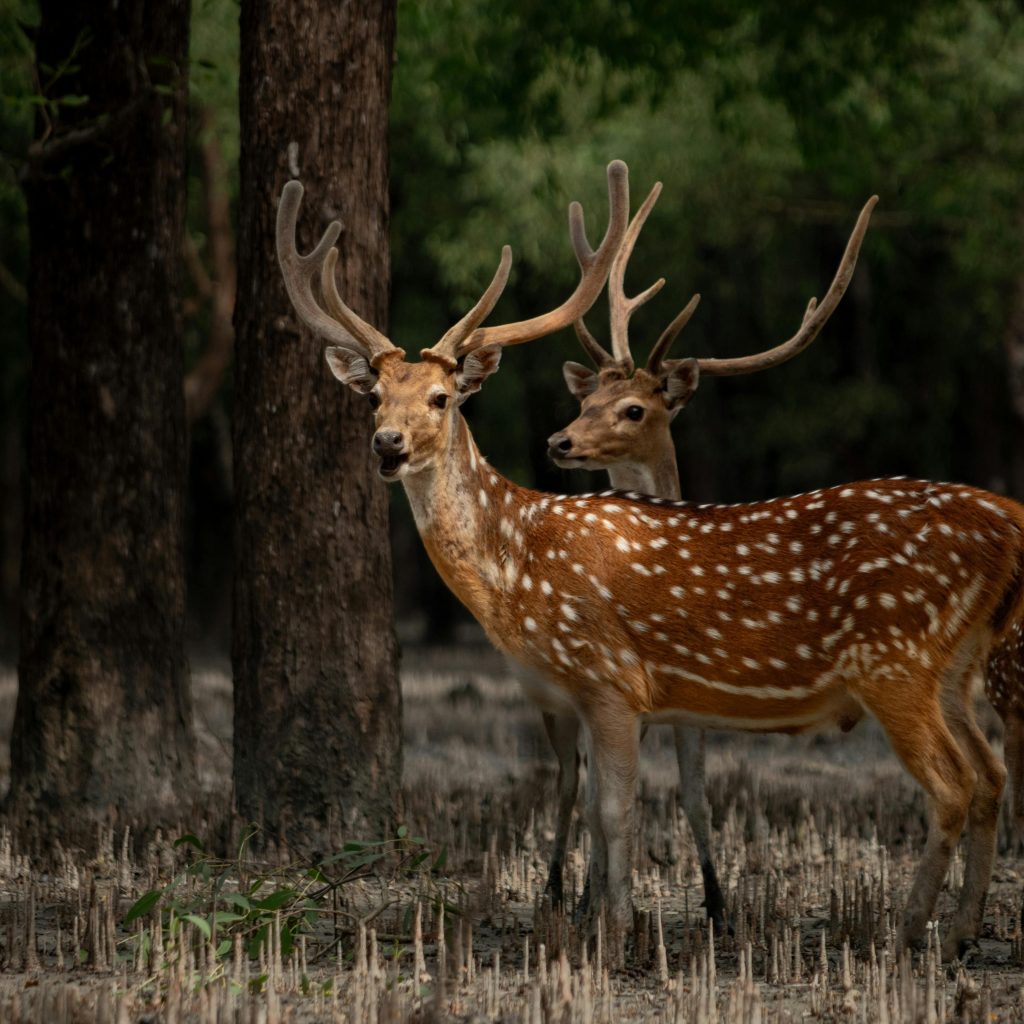
Pre-Monsoon (March–May): Increasing heat can be tough, but it’s the best time to see tigers and deer near the remaining water holes.
-
Monsoon (June–Sept): Not recommended for deep forest trekking, but the “Floating Markets” and the Haors are at their most majestic and green.
How to Travel: Logistics & Safety
-
International Arrival: Most travelers enter via Hazrat Shahjalal International Airport (DAC) in Dhaka.
-
Domestic Travel: For wildlife tours, we utilize domestic flights to Jessore or Sylhet and private AC vehicles for ground transfers.
-
Safety: Bangladesh is remarkably hospitable. However, in the Sundarbans, you are always accompanied by armed forest guards—a standard safety protocol for tiger territory.
-
Packing Tip: Bring earth-toned clothing, high-SPF sunscreen, and a good pair of binoculars.
Bangladesh Tourism Insights: The Path to Sustainability
At Trip Tour Bangladesh, we believe in Responsible Tourism. The fragile ecosystems of the mangroves and rainforests require a light footprint. By choosing local guides and staying in eco-lodges, your visit directly contributes to the heritage preservation and the protection of the Bengal Tiger. Sustainable tourism isn’t just a buzzword here; it’s the only way to ensure these wild spaces survive for the next generation.
Photography Opportunities: Capturing the Unseen
Your Bangladesh photography tour will yield some of your most unique portfolio pieces:
-
The “Ghost” of the Forest: A tiger emerging from the Sundari tree roots.
-
Aerial Symmetry: The vast, winding river systems of the Delta.
-
Macro Life: Vibrant tree frogs and rare butterflies in Lawachara.
-
Daily Life: Fishermen at sunset in the Haors, their silhouettes reflected in the glass-like water.
Why Choose Trip Tour Bangladesh?
Navigating the wild heart of the Delta requires more than just a map; it requires local intuition.
-
Expert Naturalists: Our guides are trained in animal behavior and bird identification.
-
Customized Itineraries: We tailor every Bangladesh tour package to your specific interests, whether it’s birding or tribal culture.
-
Private & Secure: We provide high-end private transport and the best-vetted houseboats in the region.
-
Commitment: We are your dedicated tour operator in Bangladesh, ensuring your journey is seamless, safe, and soulful.
Bangladesh Wildlife Tour FAQs for Travelers :
Do I need a visa for Bangladesh?
Most Western citizens can obtain a Visa on Arrival (VoA) at Dhaka airport for 30 days, but it is always best to check current embassy regulations before flying.
Is it safe to see tigers in the Sundarbans?
Yes. All tours are conducted via boat or accompanied by professional forest guards. You do not wander the forest alone.
What is the accommodation like on a wildlife tour?
In the Sundarbans, you stay on specialized cruise vessels with private cabins and en-suite bathrooms. In Sreemangal, we use premium eco-resorts.
Can I visit the Sundarbans in a single day?
Technically yes, but it is not recommended. You need at least 3 days to reach the core areas where wildlife sightings are common.
How do I get to Sreemangal from Dhaka?
The most scenic way is by the “Parabat Express” train, though we provide private AC vehicles for maximum comfort and flexibility.
Are there many mosquitoes in the forest?
In the jungle areas, yes. We recommend long-sleeved clothing and high-quality repellent. Most resorts and boats provide nets.
Is the water safe to drink?
Only drink bottled or filtered water provided by your tour operator. Avoid tap water and ice in rural areas.
Do I need any special permits?
For the Sundarbans and certain tribal areas, permits are required. Trip Tour Bangladesh handles all paperwork and fees for our guests.
About Bangladesh Wildlife Tour
Why is Bangladesh considered a hidden gem for wildlife lovers?
Bangladesh offers an “unfiltered” experience. Unlike the highly commercialized parks in other countries, you won’t find 50 jeeps chasing one animal. It’s about the silence, the patience, and the thrill of a truly wild encounter in the world’s largest mangrove.
What makes a Sundarbans tiger safari different from an Indian tiger safari?
In India, you typically search in dry deciduous forests via jeep. In the Sundarbans of Bangladesh, the safari is water-based. You explore narrow, mist-filled channels by boat, watching the banks for a tiger swimming or stalking through the aerial roots.
How does Bangladesh support eco-friendly tourism?
The focus is on “Community-Based Tourism.” By involving local villagers in the tourism chain—as boatmen, guides, and artisans—the pressure on the forest for resources decreases, creating a natural incentive for wildlife conservation.
Can I see wild elephants in Bangladesh?
Yes, though they are elusive. Wild Asian Elephants are found in the forests of the Chittagong Hill Tracts and occasionally near the border areas of Sherpur and Sylhet.
Is Bangladesh a good destination for solo female travelers interested in nature?
Absolutely. While the country is conservative, people are incredibly respectful. With a reputable operator like Trip Tour Bangladesh, solo travelers have a dedicated support system for a safe and enriching journey.
The Ultimate Bangladesh Wildlife Destination The Sundarbans Mangrove Forest is the premier wildlife destination in Bangladesh. Spanning over 6,000 square kilometers within the country, it is a UNESCO World Heritage site and home to the Royal Bengal Tiger, spotted deer, and the rare masked finfoot.
Top 5 Wildlife Species to Spot in Bangladesh:
-
Royal Bengal Tiger (Sundarbans)
-
Western Hoolock Gibbon (Lawachara)
-
Irrawaddy Dolphin (Delta Region)
-
Asian Elephant (Chittagong/Sylhet)
-
Great Hornbill (Sreemangal)
How to Plan Your Bangladesh Wildlife Safari:
-
Choose a reputable tour operator in Bangladesh.
-
Schedule your trip between November and February.
-
Secure your forest permits at least 2 weeks in advance.
-
Fly into Dhaka and take a connecting domestic flight to Jessore or Sylhet.
-
Pack neutral-colored clothing and professional zoom lenses for photography.